Concepts studied in isolation can lose the context of the discipline they belong to.
Clinical Laboratory Science in Maps
60 visual maps to understand and review clinical laboratory science topics by discipline.
60 visual maps to understand and review clinical laboratory science topics by discipline.
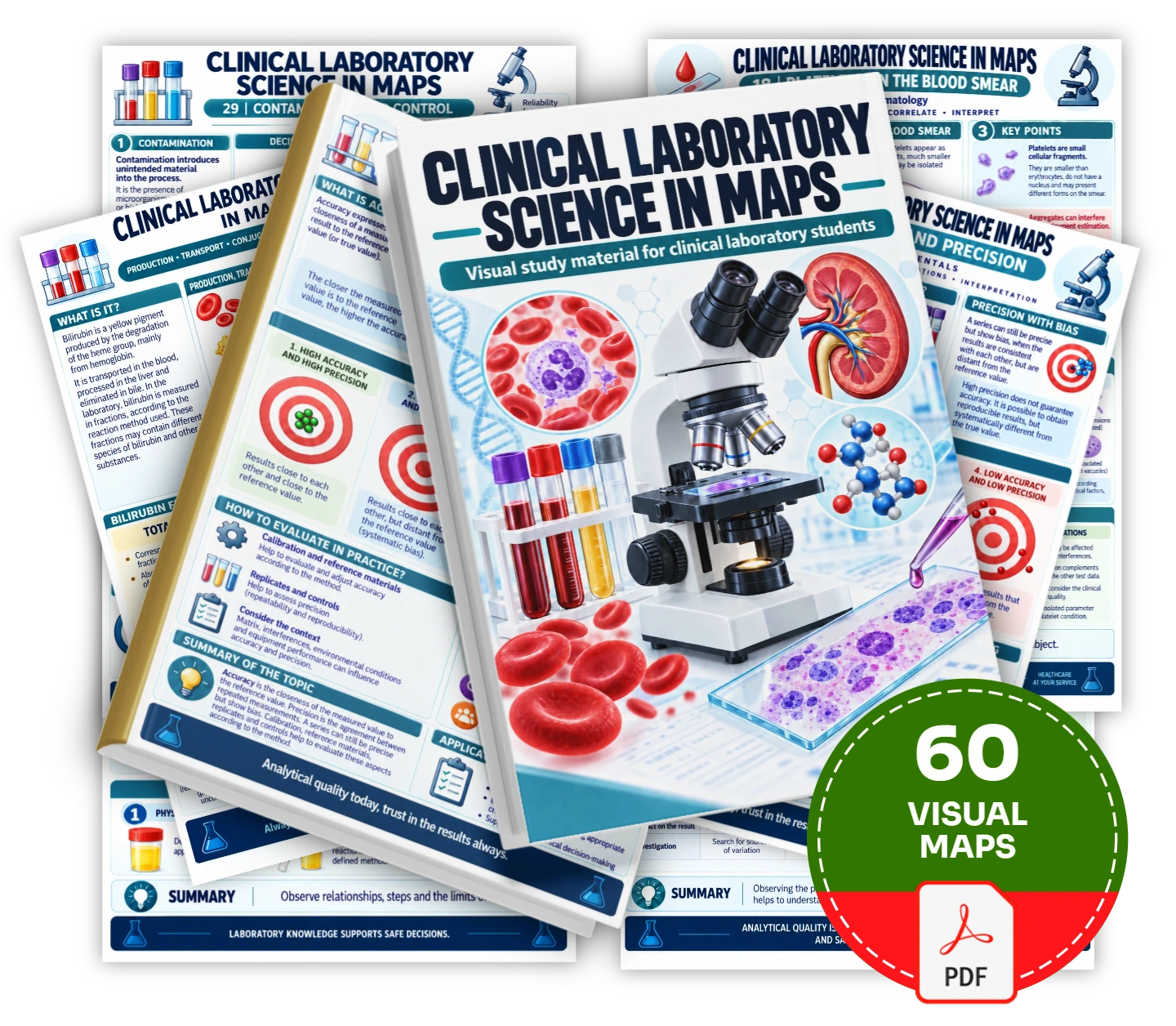
Choose a laboratory discipline, open a topic, and follow the elements, steps, and comparisons on the map. A collection of infographics to help you study and revisit laboratory concepts without losing sight of how they relate.
Find the topic you need to review by laboratory discipline.
Compare observable features using side-by-side criteria.
Follow relationships and steps directly in the visuals.
Delivered by email and WhatsApp after your purchase is confirmed
When topics are scattered, it's harder to see how they connect.
When topics are scattered, it's harder to see how they connect.
A list of steps doesn't always make the sequence of a process clear.
Images without matching criteria make it harder to compare cell features.
Revisiting a specific point takes work when you have to go through several topics.
Similar terms and structures call for a close look at observable differences.
Without connecting notes to figures, it can be hard to remember what each element explains.
The maps bring together visuals and brief notes to guide your study of each topic.
Explore how clinical laboratory science topics are organized visually.
Explore how clinical laboratory science topics are organized visually.
Each map covers a specific topic, with labeled elements and relevant relationships, steps, or comparisons.
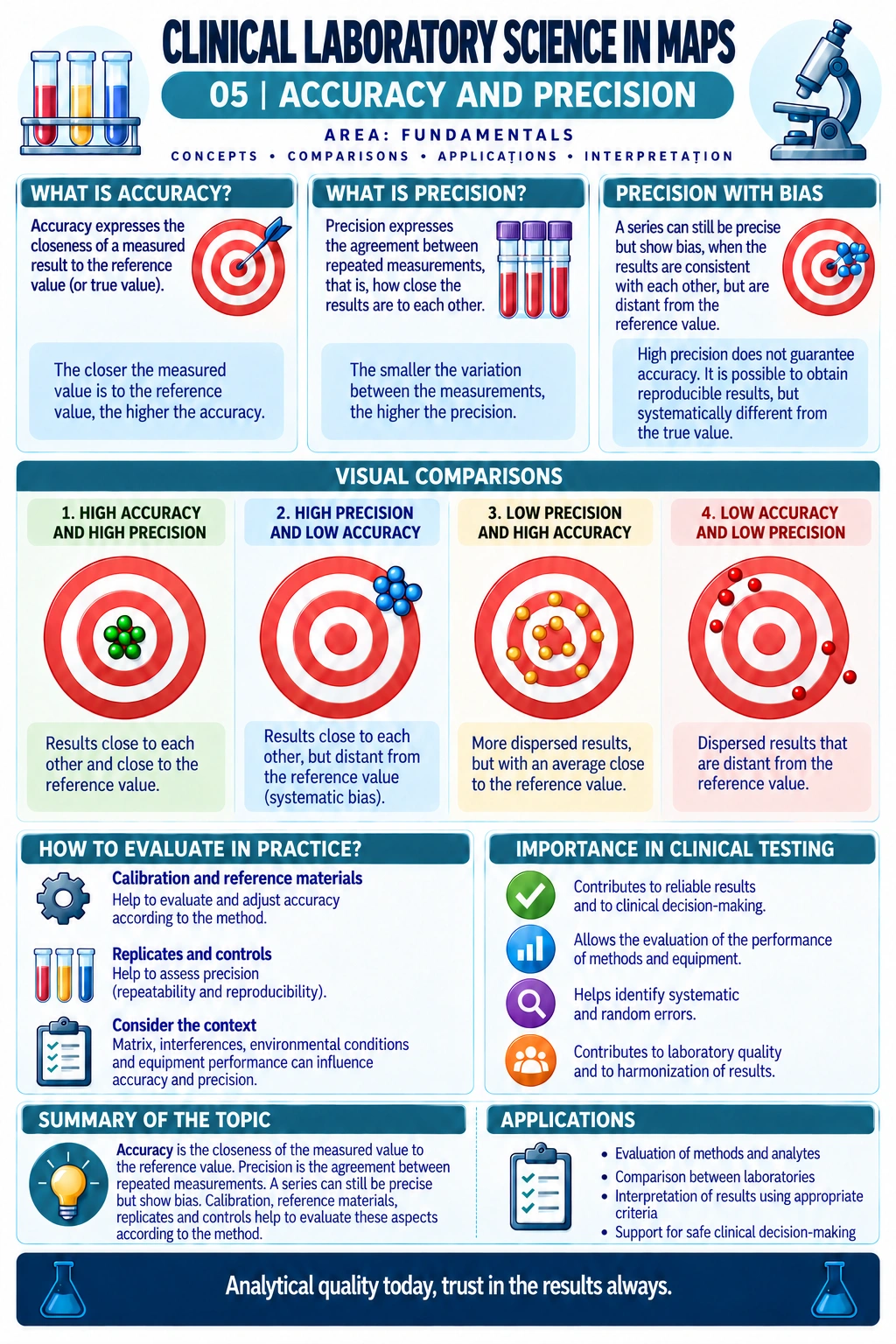
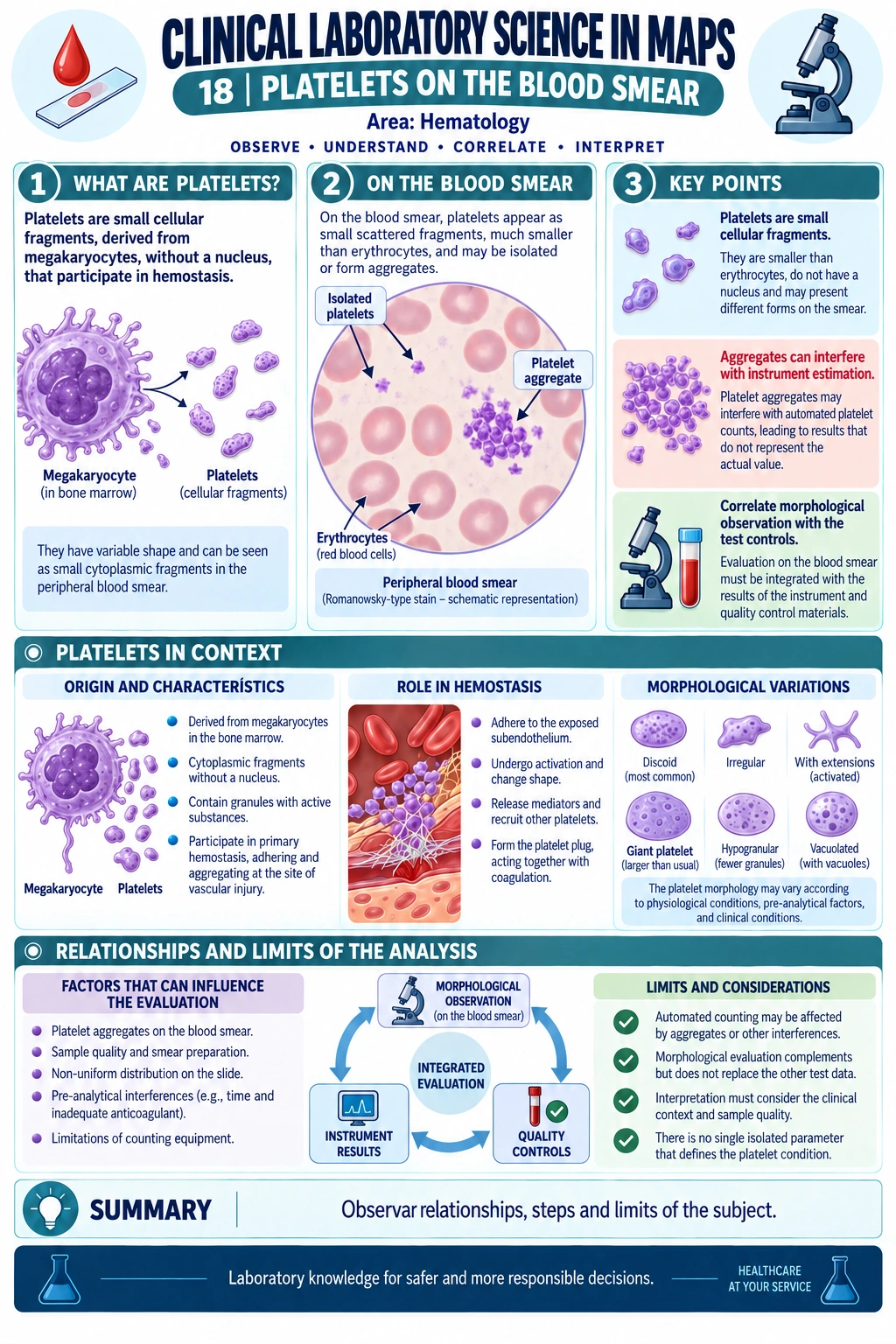
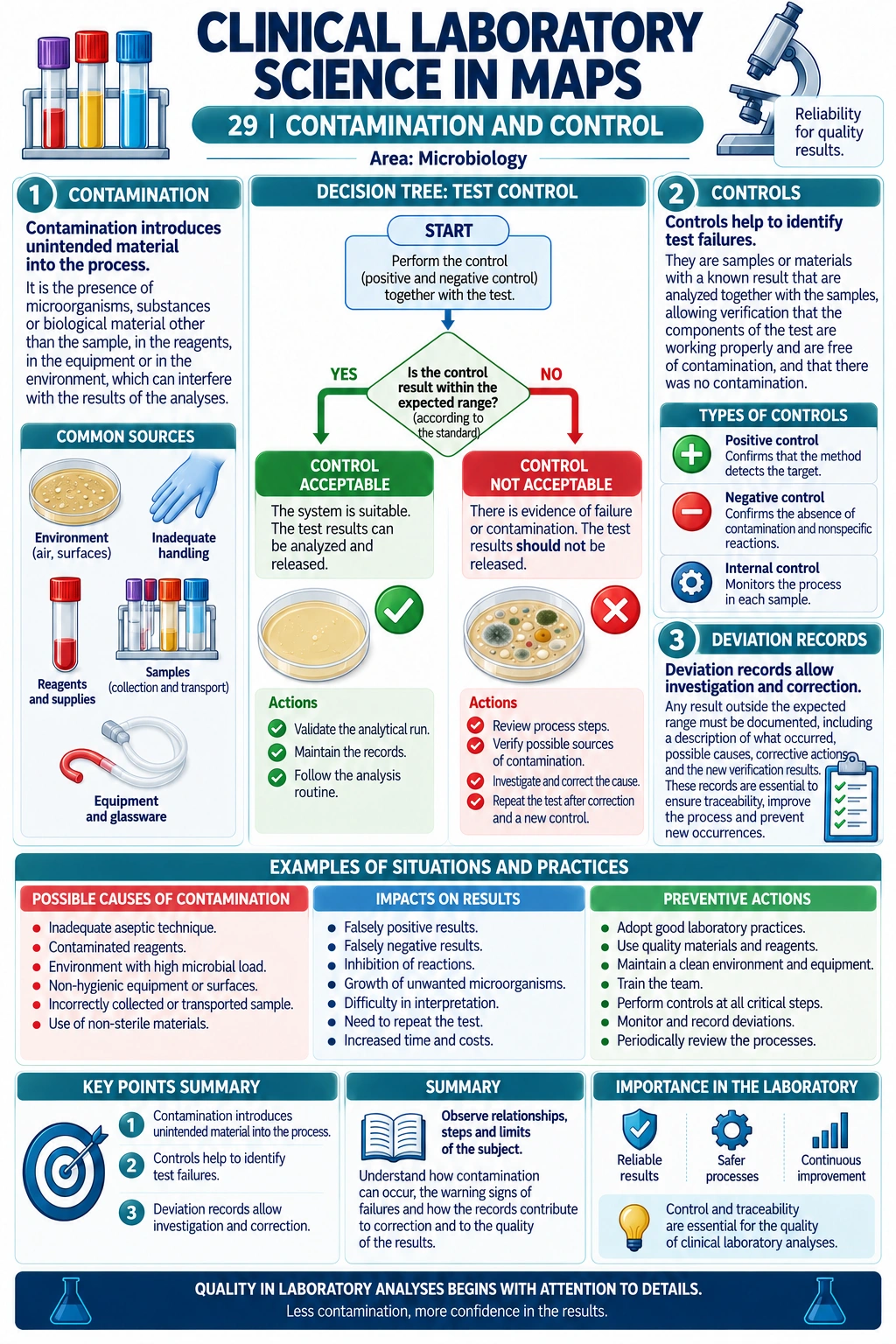
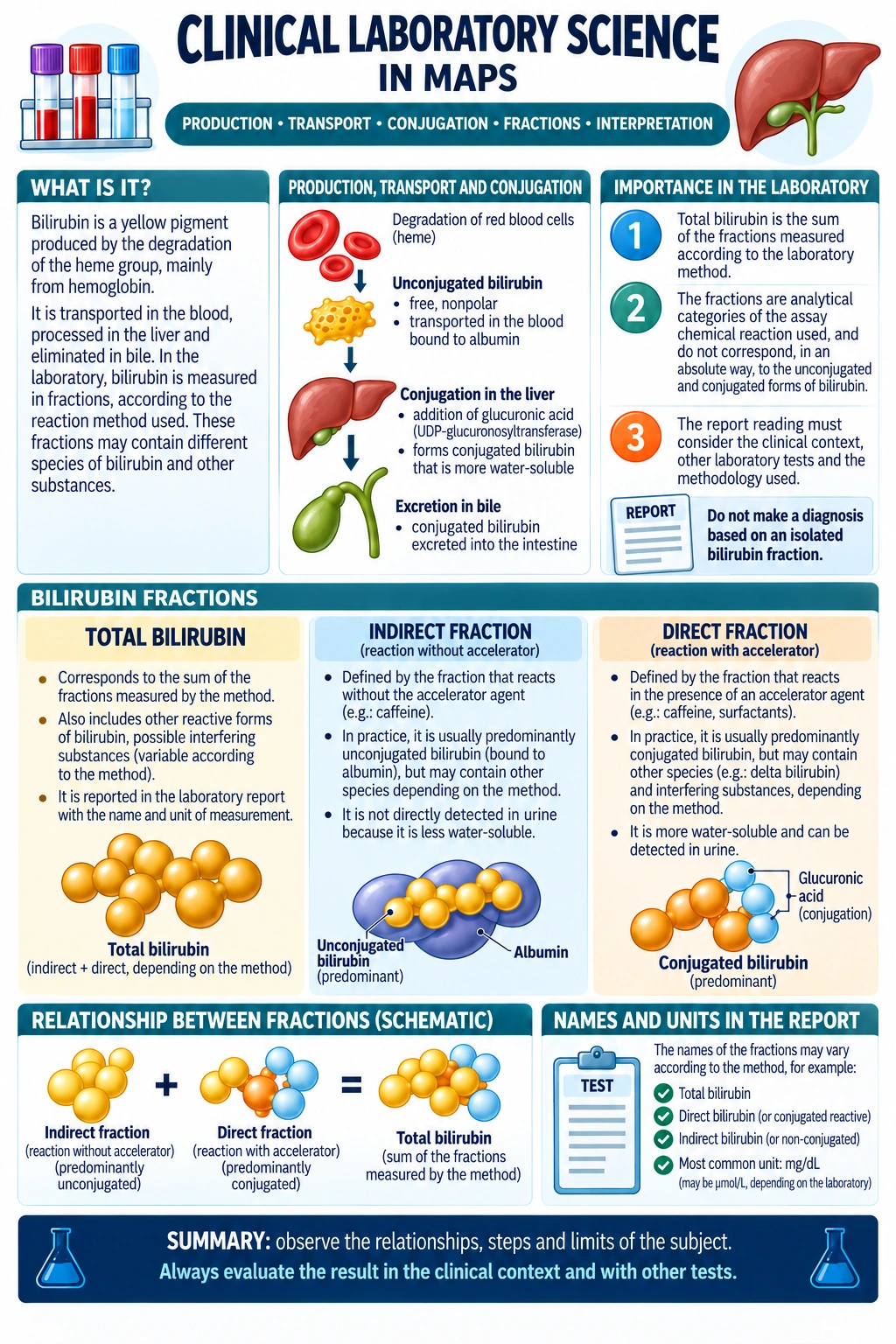
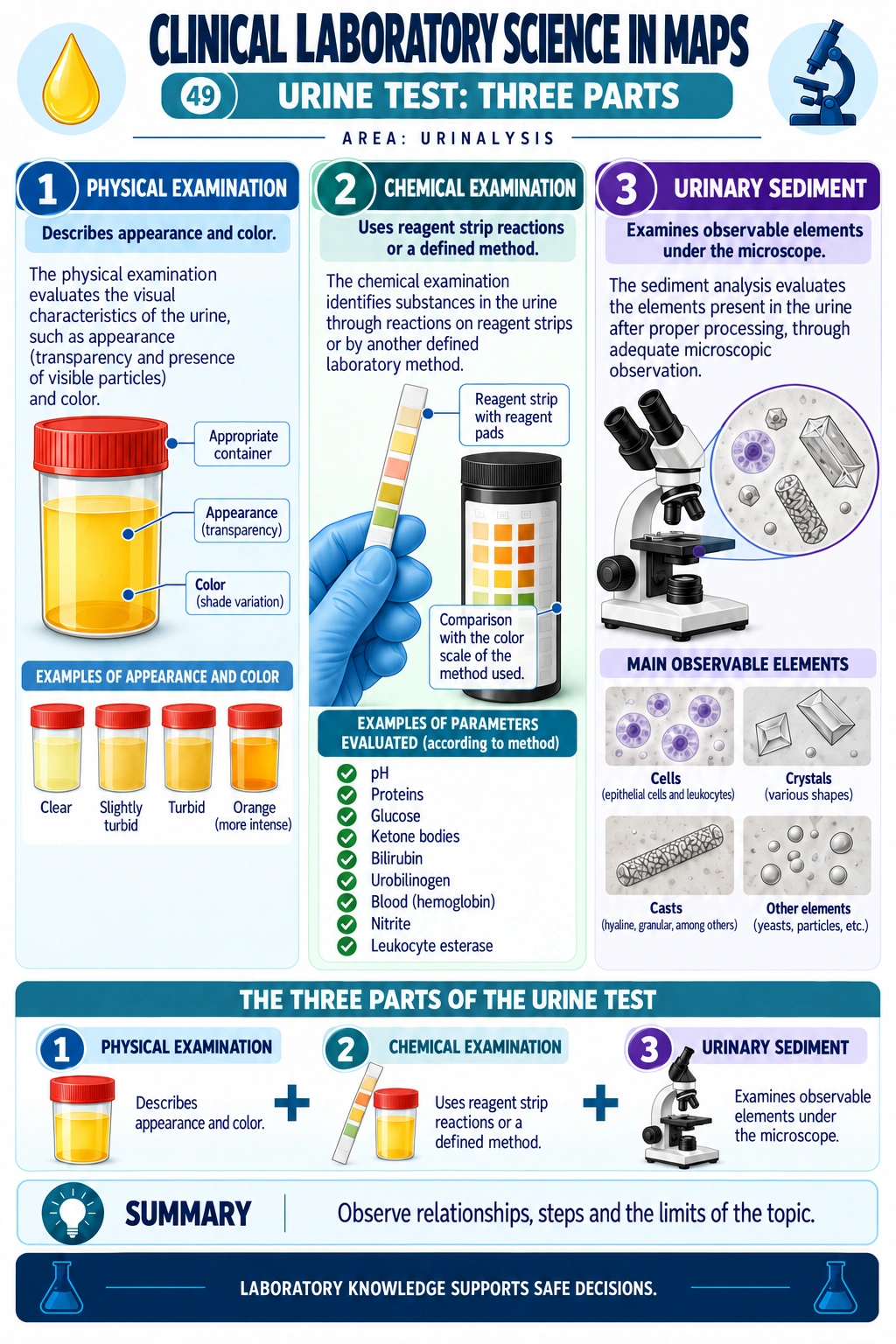
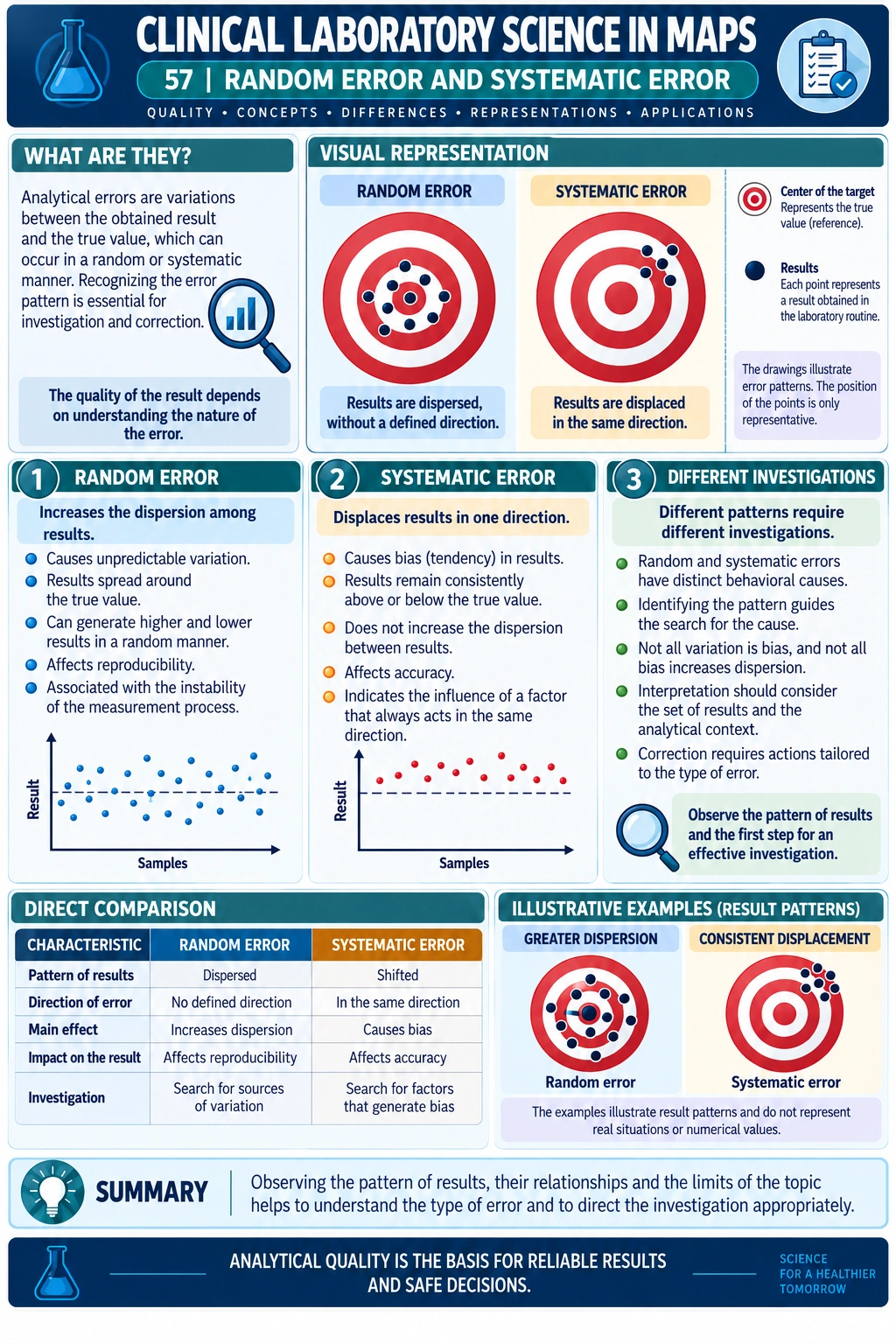
Choose a topic and use the map to understand how its elements relate.
Choose a topic and use the map to understand how its elements relate.
Select an area.
Select an area.
Find the lab discipline you want to study and choose a topic within it.
Look at the elements.
Look at the elements.
Read the labels on the map and connect the brief notes to what's shown.
Follow the connections.
Follow the connections.
Follow the steps or compare features using the criteria shown, depending on the topic.
Revisit what you need.
Revisit what you need.
Return to the topic map to review a difference, a step, or a connection.
You can study one area at a time and refer to the other maps as needed while you review.
See the difference between reading a description and following the same connection on a map.
See the difference between reading a description and following the same connection on a map.
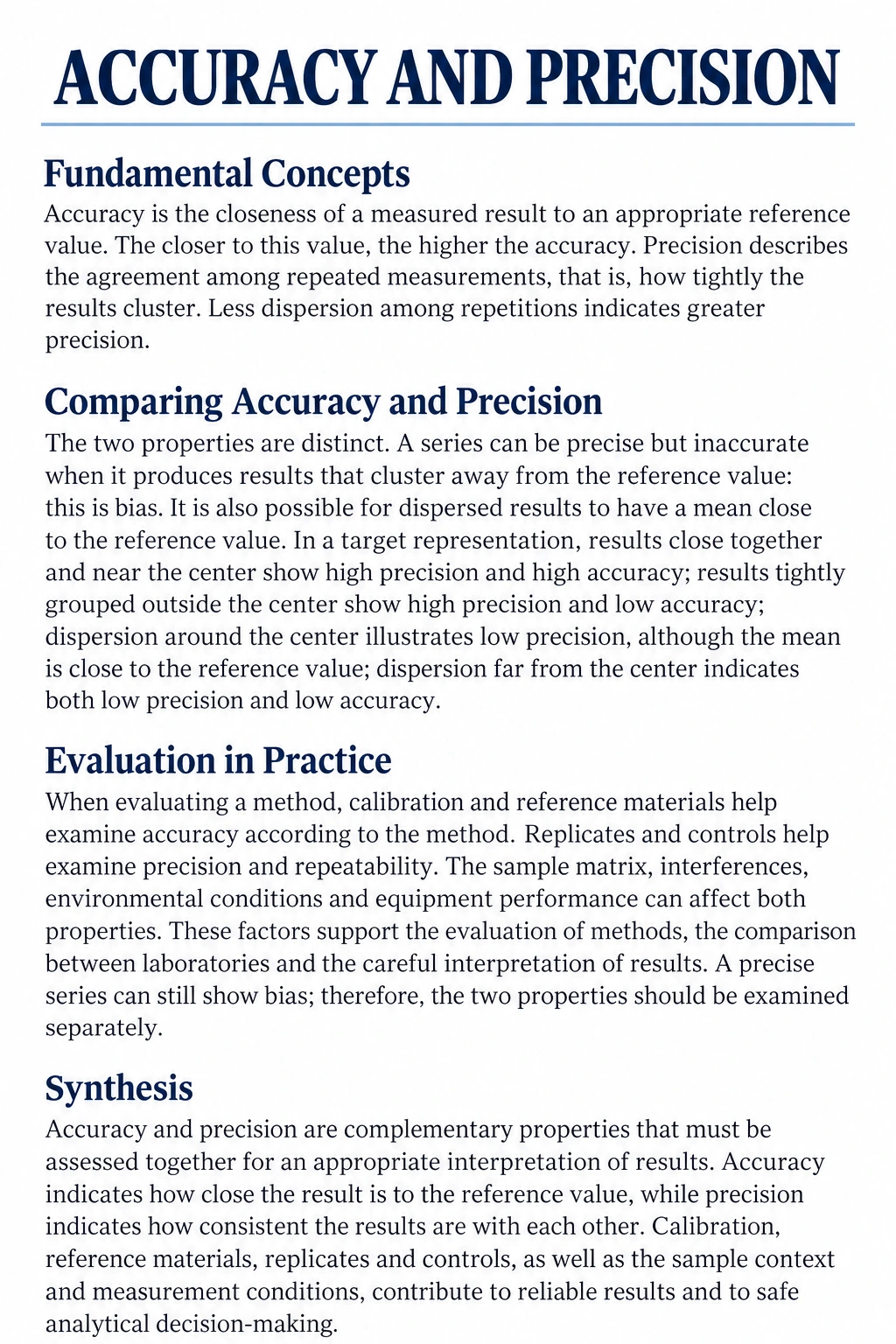
Text-based presentation.
Visual presentation.
The visual format positions elements and places comparable features side by side. That way, you can follow the connection shown as you read the notes on the topic.
The comparison shows another way to present study content without replacing the explanation.
I want to review with the maps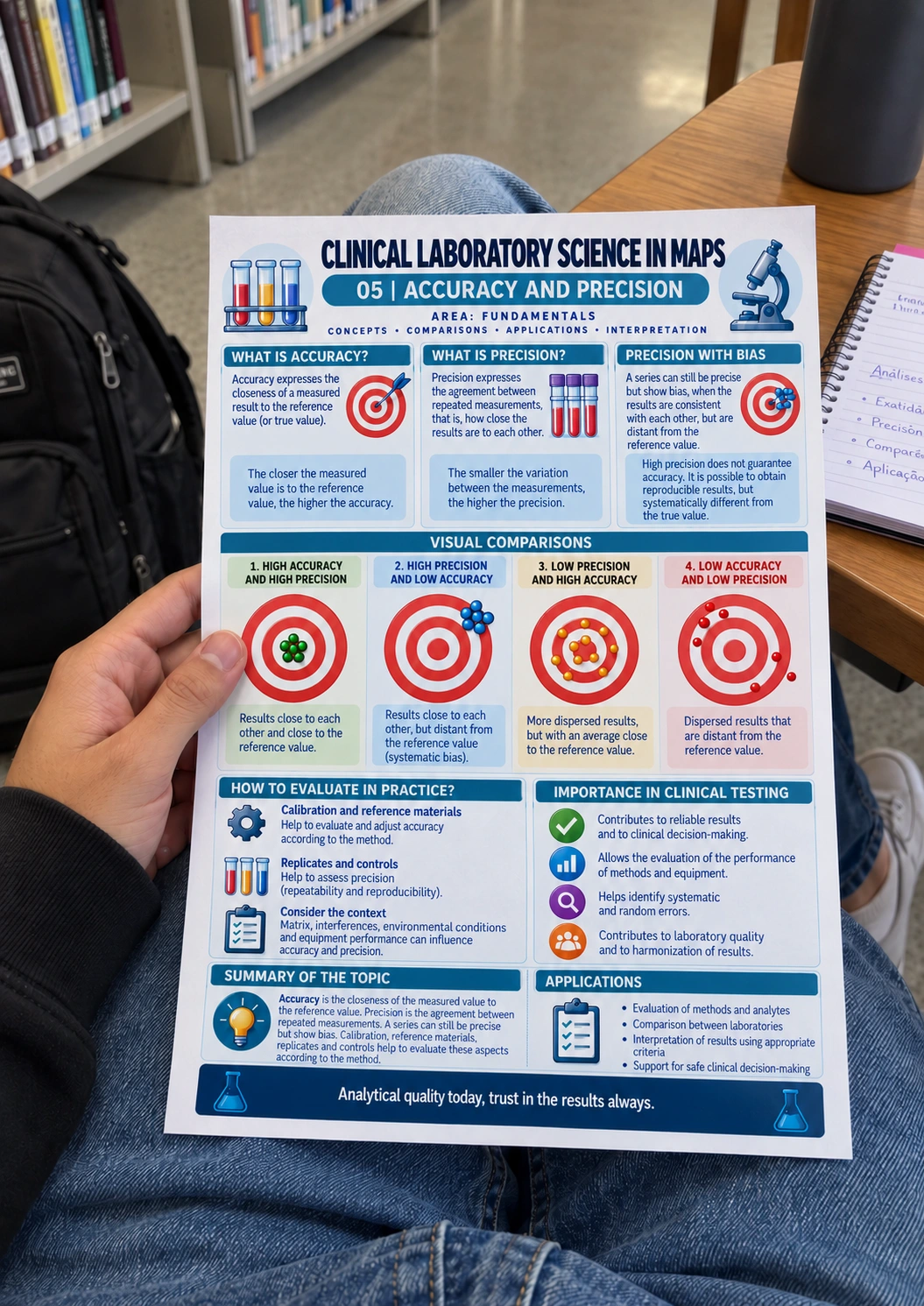
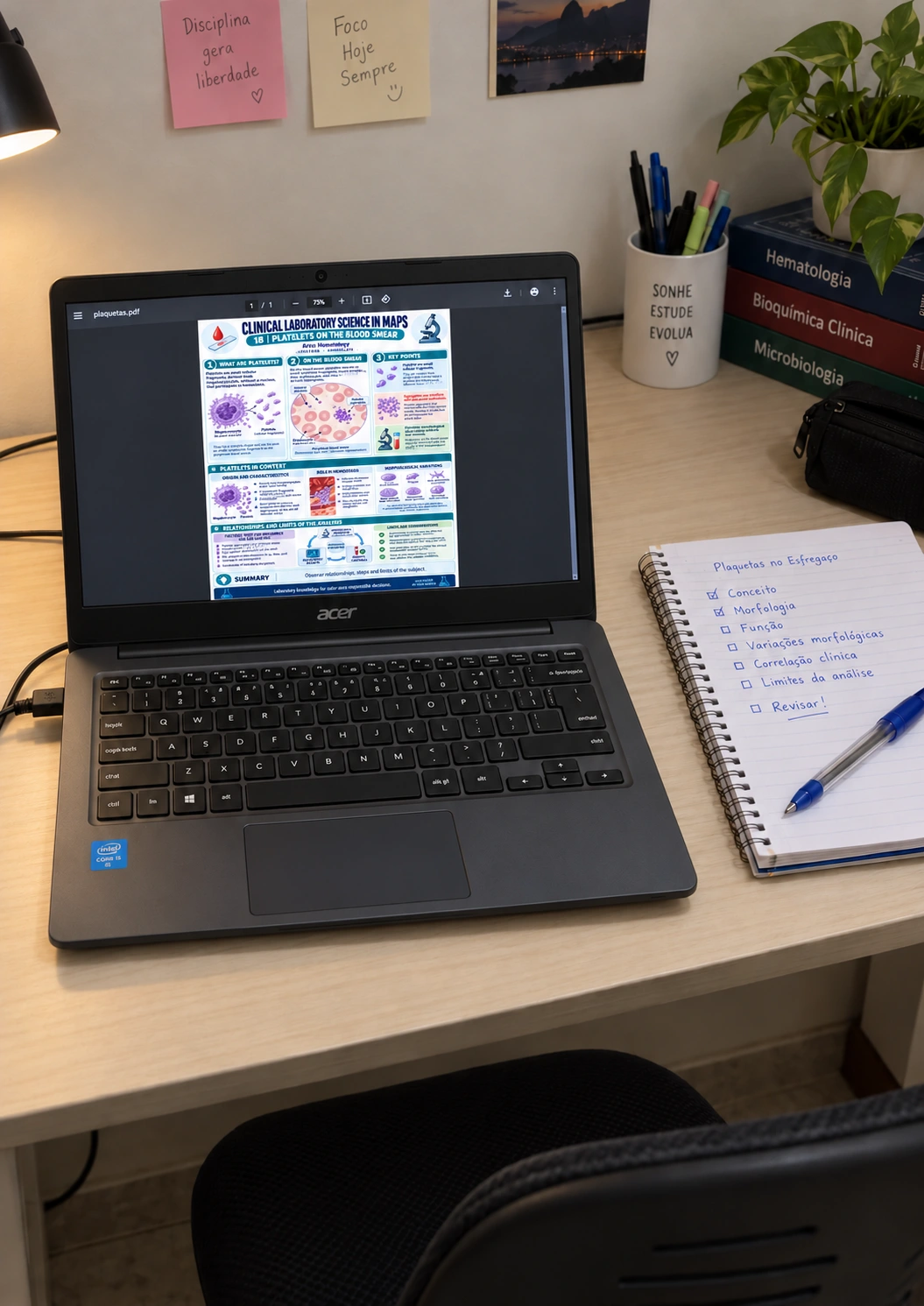
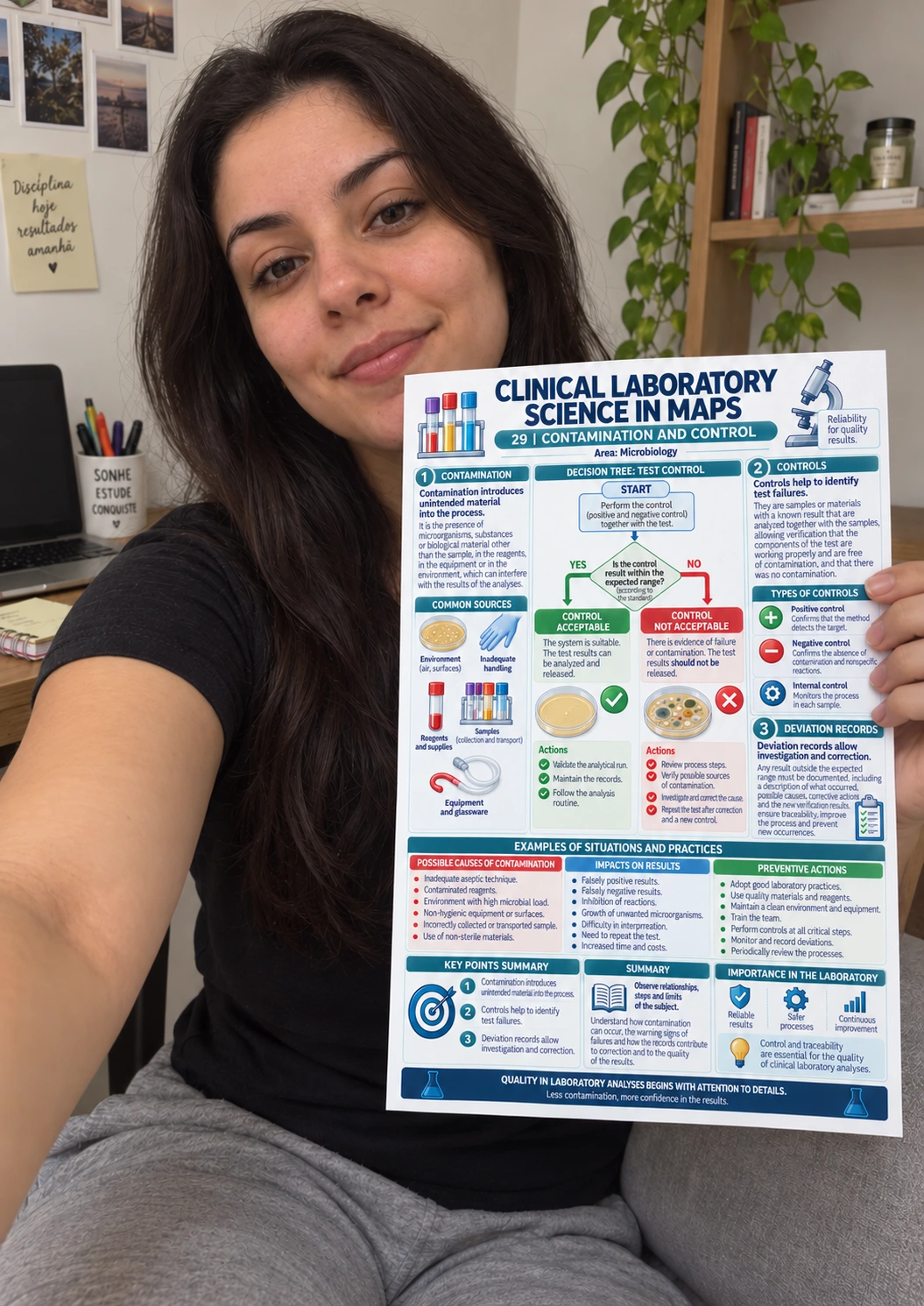
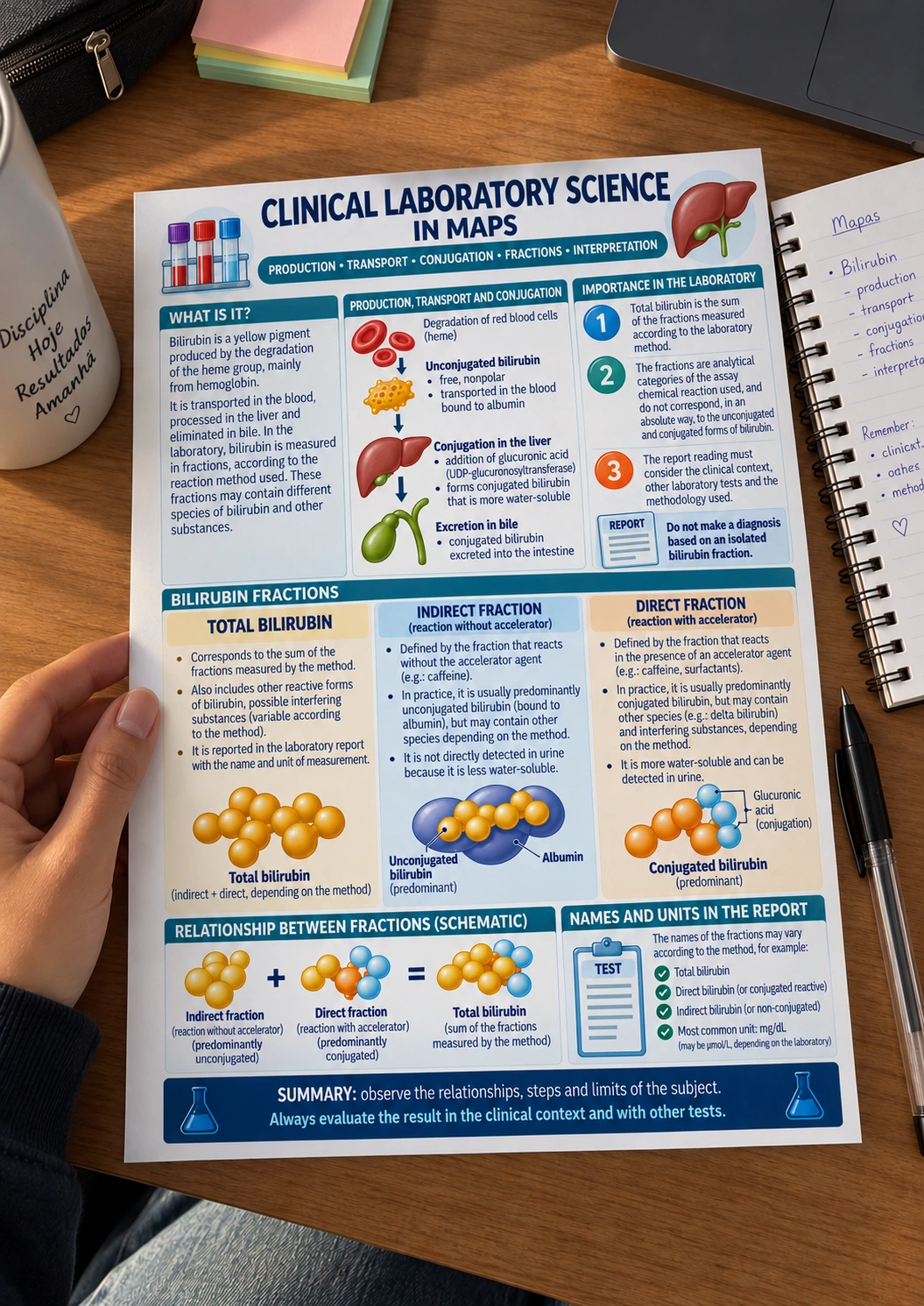
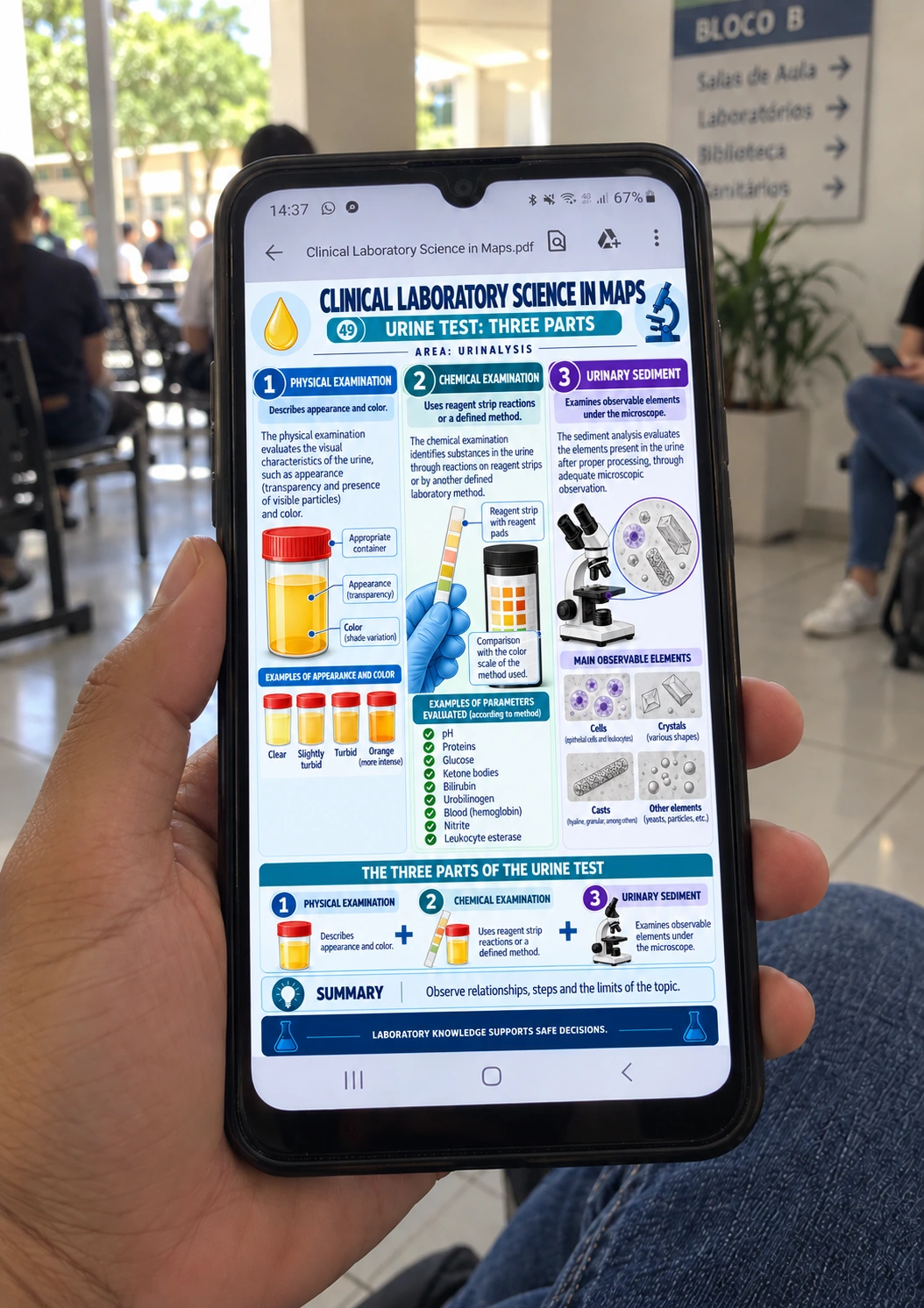
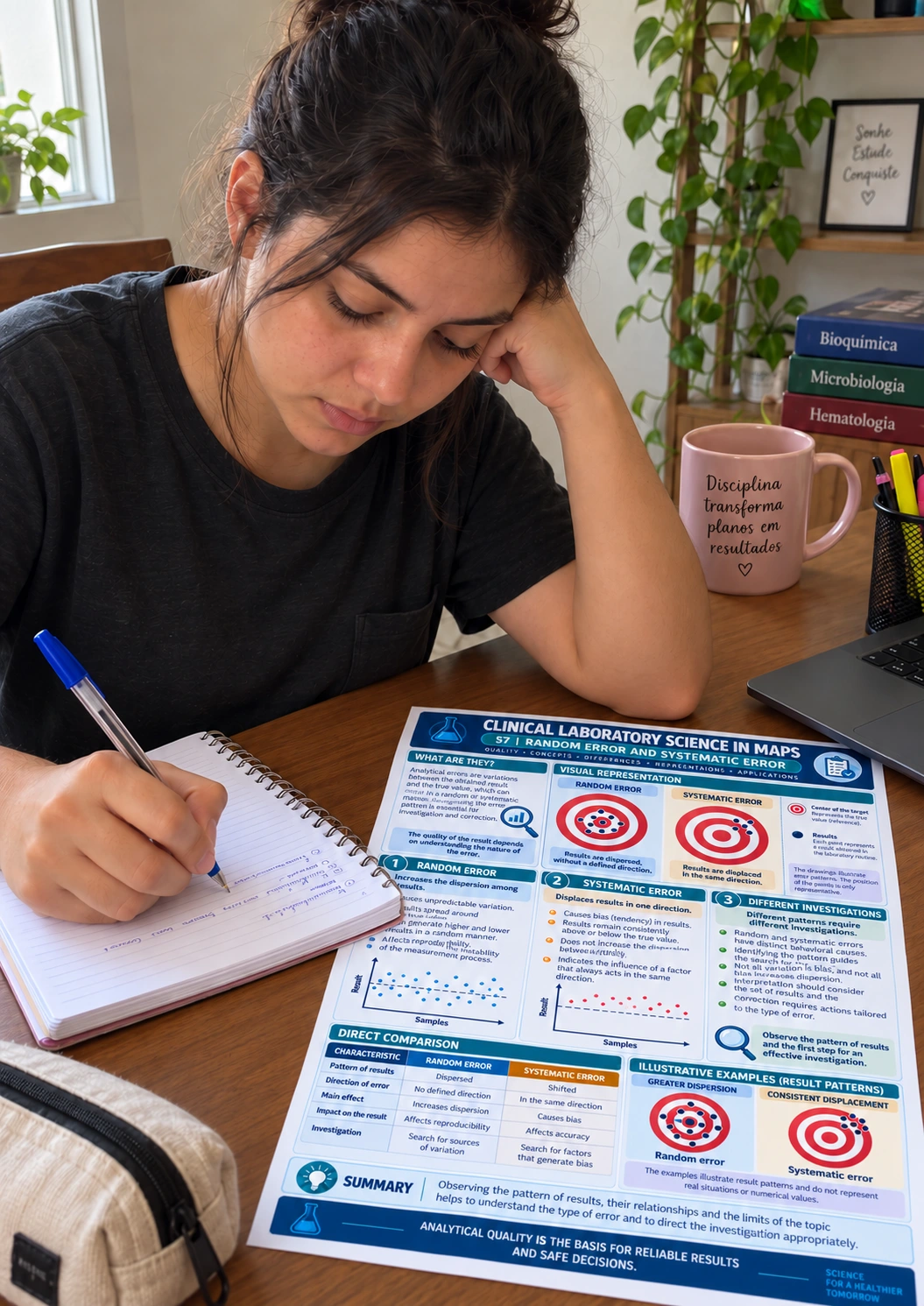
Choose a topic to start your next review session.
Choose a topic to start your next review session.
Explore the area you're studying and use the map to revisit the connections you want to understand better.
For students who need visual references to review lab disciplines.
For students who need visual references to review lab disciplines.
Biomedical Science students.
Biomedical Science students.
Explore maps by topic to review structures, steps, and concepts from your coursework.
Pharmacy students.
Pharmacy students.
Review laboratory topics by discipline and connect terms to the educational illustrations.
Bioanalysis students.
Bioanalysis students.
Follow process maps and compare observable elements as you review.
Medical Technology students.
Medical Technology students.
Find the topic you want to review and follow the connections shown in the infographic.
Students in related laboratory programs.
Students in related laboratory programs.
Use the maps to help you study the clinical laboratory science topics covered in your program.
Anyone who reviews one topic at a time.
Anyone who reviews one topic at a time.
Open a specific topic without going through the entire collection each time you need to look something up.
Explore laboratory topics with maps organized by discipline and subject.
Explore laboratory topics with maps organized by discipline and subject.
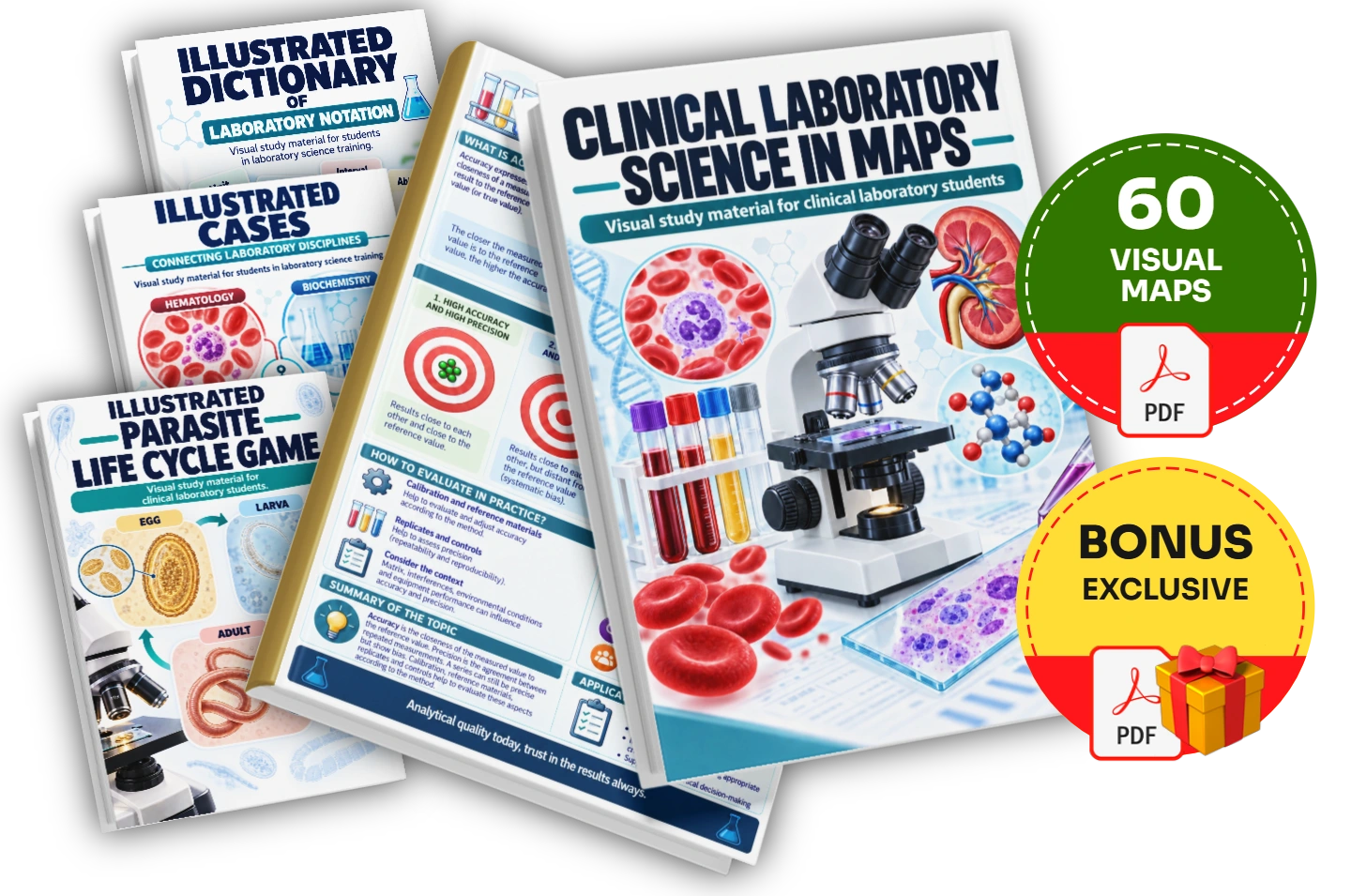
A visual collection for studying and review.
Clinical Laboratory Science in Maps
Clinical Laboratory Science in Maps
Fundamentals and the preanalytical phase.
Get oriented to laboratory concepts and follow topics on specimen collection and steps before analysis.
Hematology and hemostasis.
Compare cellular elements and study relationships involved in coagulation.
Microbiology and parasitology.
Review topics in these disciplines using labeled illustrations and connections.
Clinical chemistry and immunology.
Find concepts and follow the connections illustrated in each topic.
Urinalysis and quality control.
Look up topics in these disciplines and revisit the relevant steps or connections.
Digital viewing and printing.
Study the infographics digitally or print the maps for review.
Supplementary materials to practice and connect what you're studying.
The complete option includes the approved bonuses to expand your review.
The complete option includes the approved bonuses to expand your review.
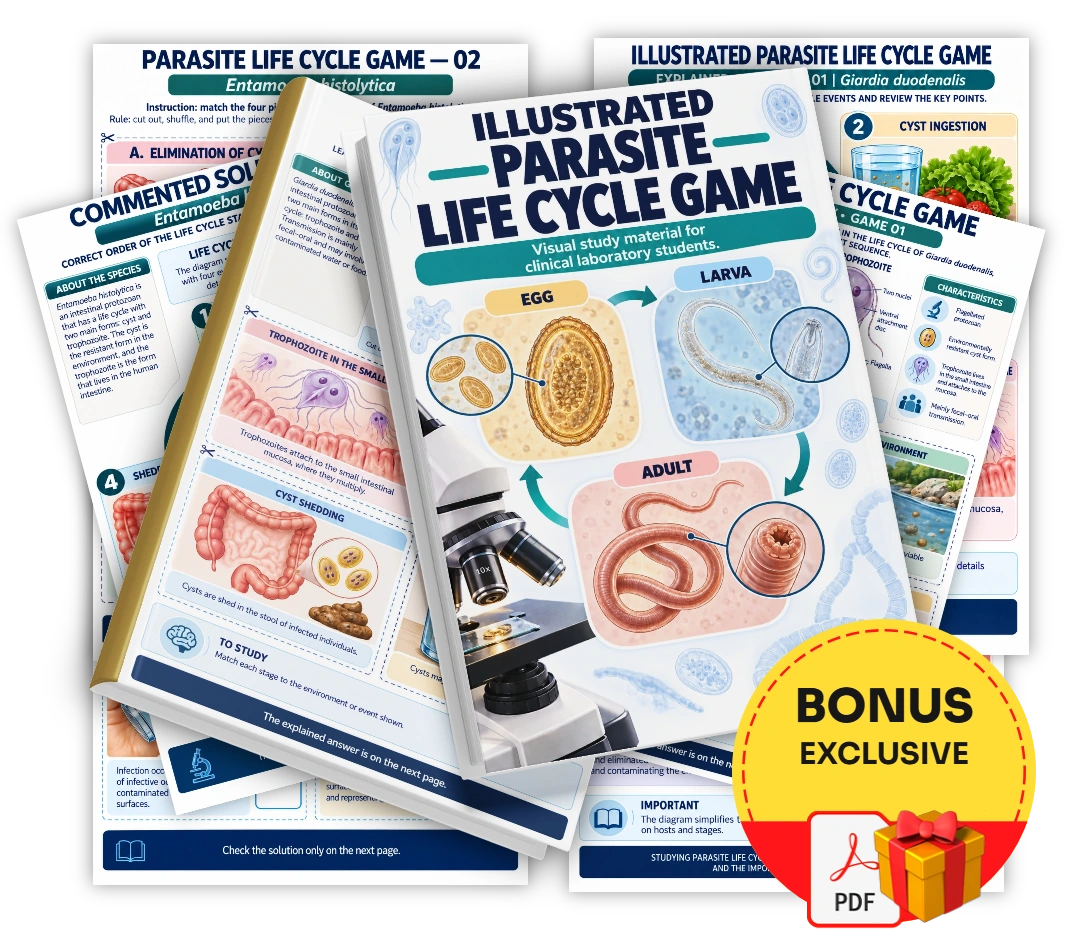
BONUS #1
Illustrated Parasite Life Cycle Game
Review relationships between stages with a parasite life cycle game
BONUS #2
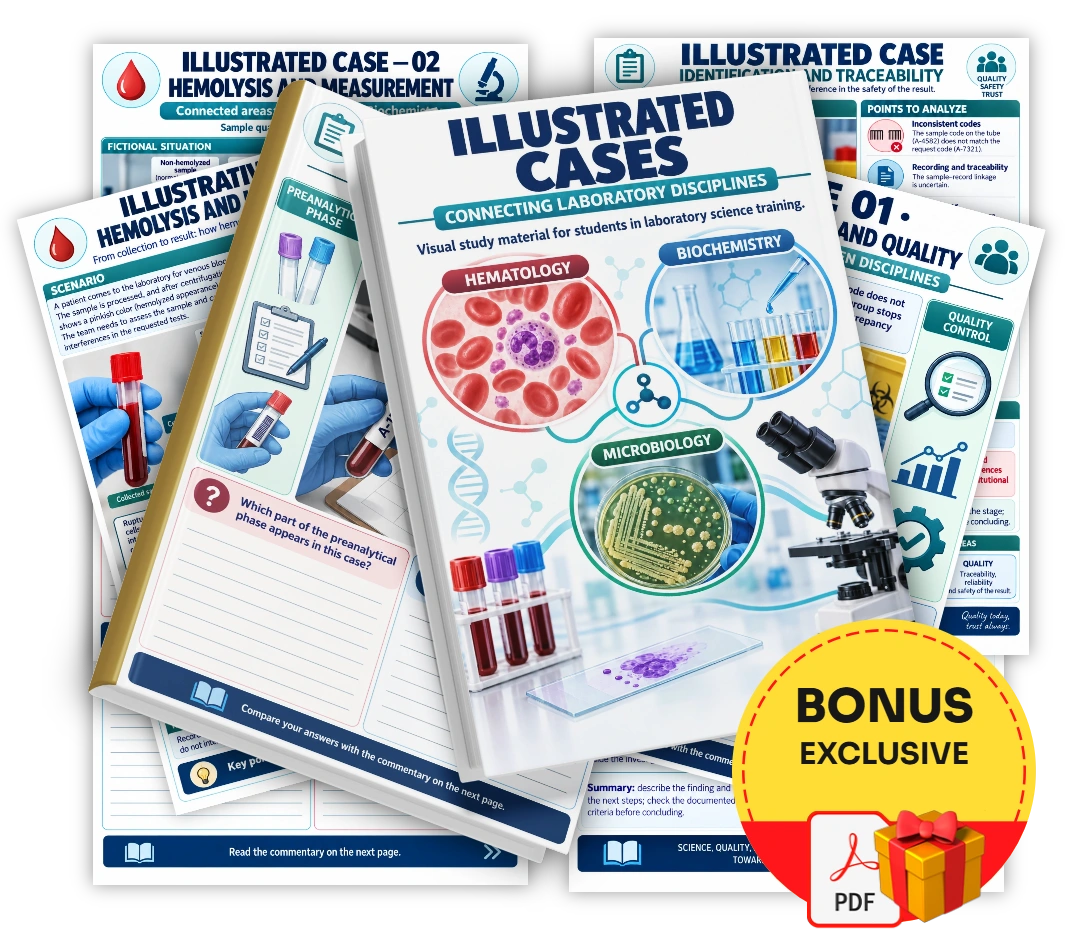
Illustrated Cases Connecting Laboratory Disciplines
Connect disciplines through fictional laboratory cases with commentary
BONUS #3
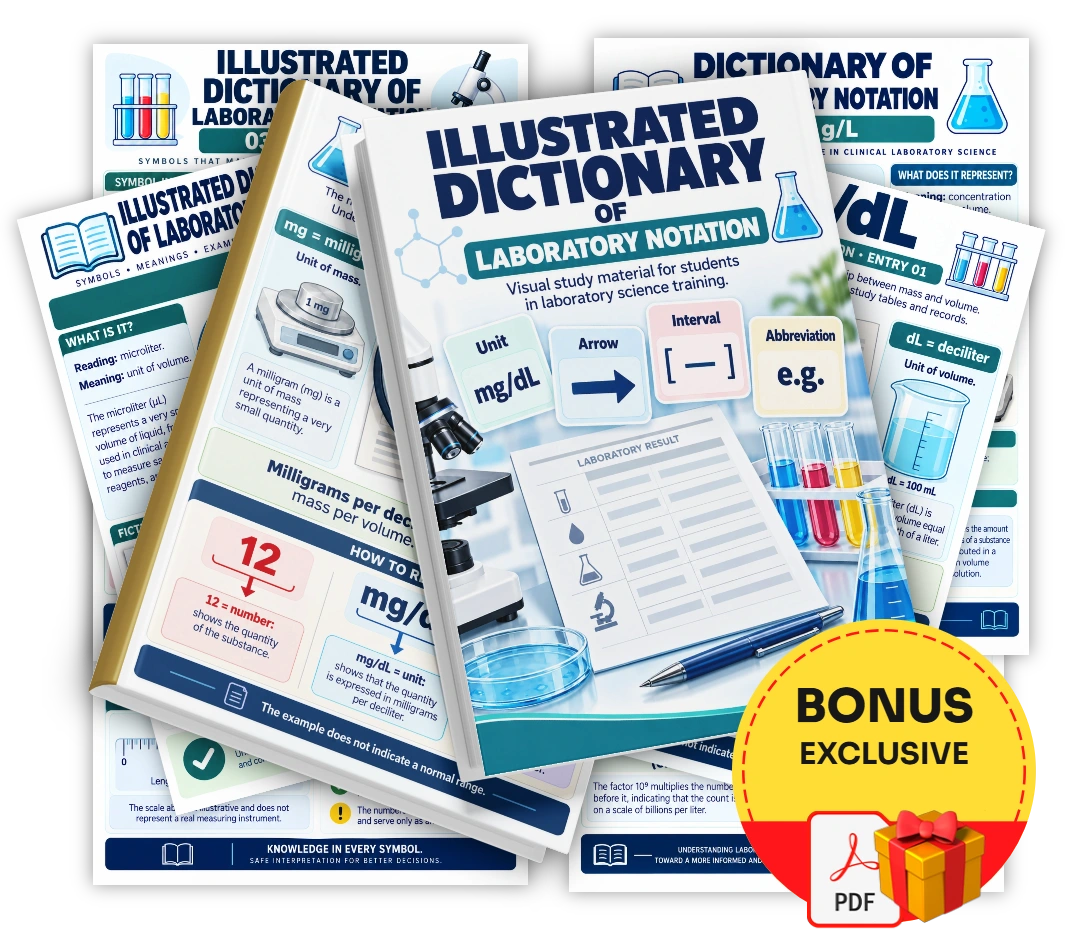
Illustrated Dictionary of Laboratory Notation
Understand abbreviations and symbols through illustrated entries showing how they're used in context
Study by topic with additional review resources.
Get the maps and supplemental materials with the complete option.
Get the maps and supplemental materials with the complete option.
The Complete Plan includes the map collection and selected bonuses: life cycle games, cases that connect laboratory disciplines, and entries on laboratory notation.
BASIC PLAN
BASIC PLAN
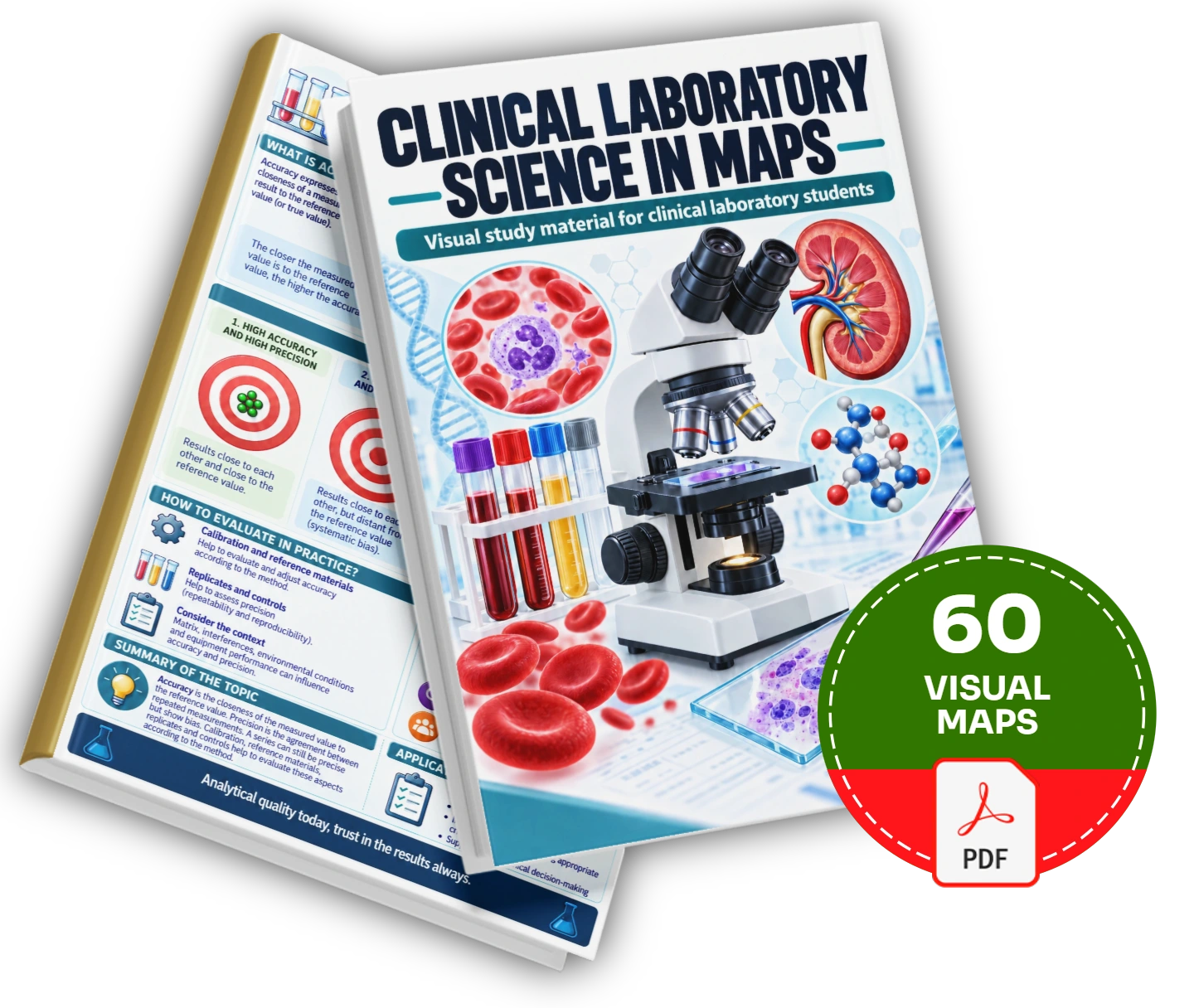
Clinical Laboratory Science in Maps — 60 visual maps
Infographics
COMPLETE PLAN
COMPLETE PLAN
Clinical Laboratory Science in Maps — 60 visual maps
Thematic maps of laboratory fundamentals
Maps of specimen collection and the preanalytical phase
Hematology and hemostasis maps
Illustrated Parasite Life Cycle Game
Illustrated Cases Connecting Laboratory Disciplines
Illustrated Dictionary of Laboratory Notation
Revisit the topic you need to understand.
Revisit the topic you need to understand.
Open the map for the discipline you're studying and follow the connections between its elements before moving on to the next topic.
Lifetime guarantee for Clinical Laboratory Science in Maps
Lifetime guarantee for Clinical Laboratory Science in Maps
That means that at any time, if you feel that:
The material doesn't fit your routine
The product doesn't help you reach your goal
Or you simply don't want to keep using the product
👉 You can request a refund.
No time limit.
No red tape.
No explanation required.
We offer this guarantee because we believe in the material's practical value.
You're not buying a promise.
You're buying organized material designed to make your routine easier.
If it isn't right for you, we take on all the risk.
From choosing your option to your first look, here's how to use the material.
From choosing your option to your first look, here's how to use the material.
Choose your option.
Choose your option.
Select the package you want to purchase to study the disciplines of clinical laboratory science.
Receive your materials.
Receive your materials.
Once your purchase is confirmed, the materials are sent by email and WhatsApp.
Start with one topic.
Start with one topic.
Choose a discipline, open the map for your topic, and follow the elements and connections shown.
Questions about the maps and how to use them.
Questions about the maps and how to use them.
Who is this material for?
Who is this material for?
Students of Biomedicine, Pharmacy, Bioanalysis, Medical Technology, and related fields who want to study and review concepts across clinical laboratory disciplines.
Do I need to study all the maps in order?
Do I need to study all the maps in order?
No. The maps are organized by discipline and, within each discipline, by topic. You can choose a topic to study and return to it whenever you need to review.
Can I view the maps digitally and print them?
Can I view the maps digitally and print them?
Yes. The infographic collection is digital and can be viewed and printed.
Do the maps teach you how to interpret patient test results?
Do the maps teach you how to interpret patient test results?
No. They're designed to help you study and review concepts and how they relate. The material doesn't replace supervised protocols or provide guidance on interpreting individual patients' results.
What comes with the maps in the Complete option?
What comes with the maps in the Complete option?
In addition to the main collection, the Complete option includes printable parasite life cycle games, illustrated cases connecting laboratory disciplines, and an illustrated dictionary of laboratory notation.
How will I receive the materials, and what's the guarantee?
How will I receive the materials, and what's the guarantee?
The materials are sent by email and WhatsApp after your purchase is confirmed. The approved guarantee is lifetime and unconditional, subject to the terms presented on the page.
One discipline at a time, at your own review pace.
Study the connections that make each topic click.
Study the connections that make each topic click.
Choose the discipline you want to revisit and use the maps to follow its key elements, steps, and comparisons.